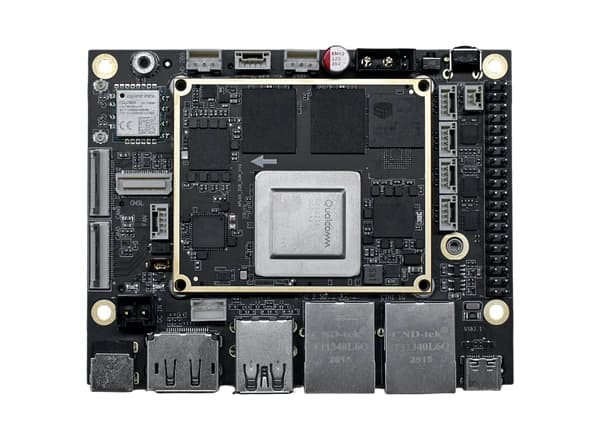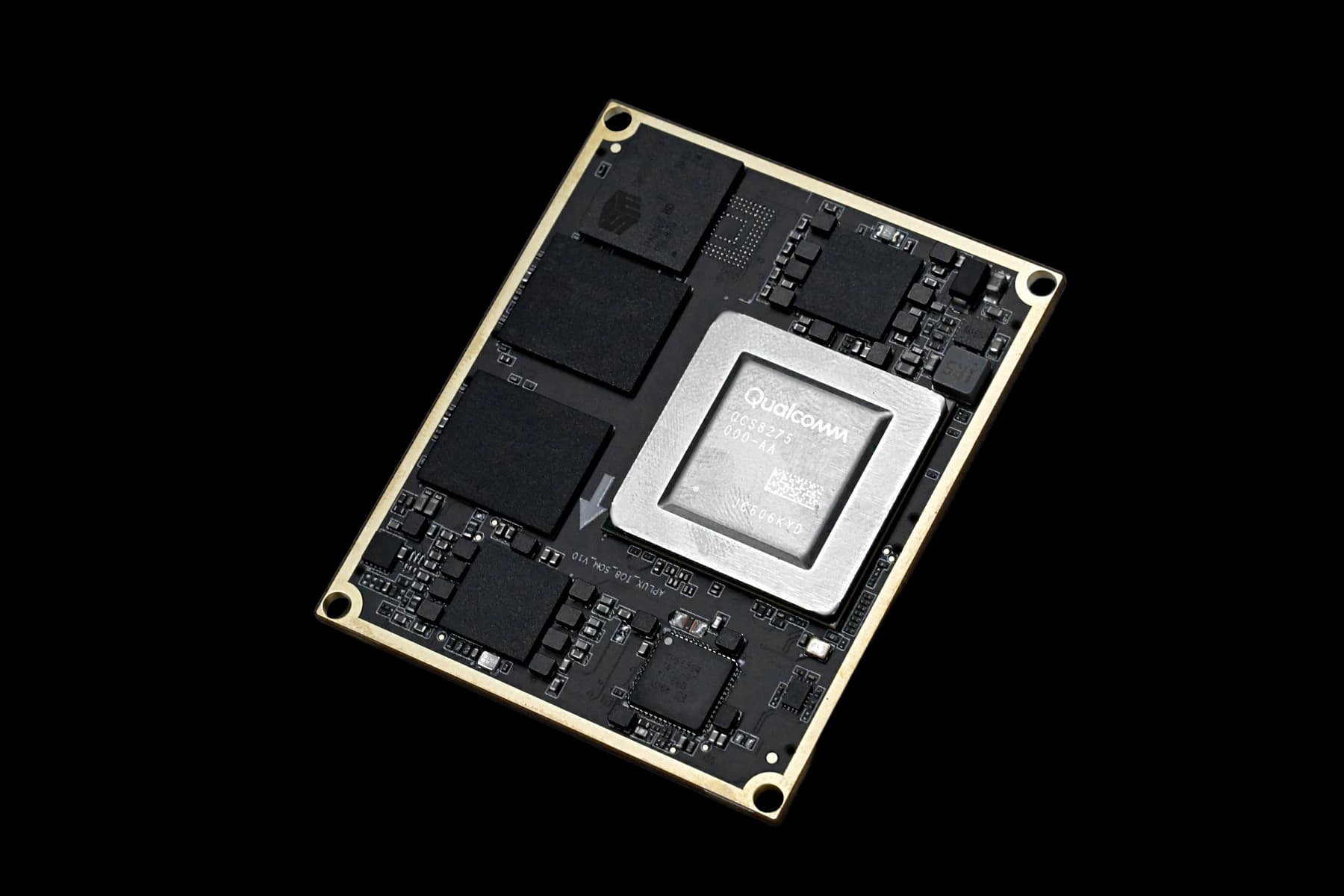
Heterogeneous compute for different workloads
Octa-core Kryo handles applications while quad-core Cortex-R52 RTSS provides real-time subsystem resources for coordinated AI perception and control.

Industrial and robotics intelligent module
Embed AI and real-time control at the device core
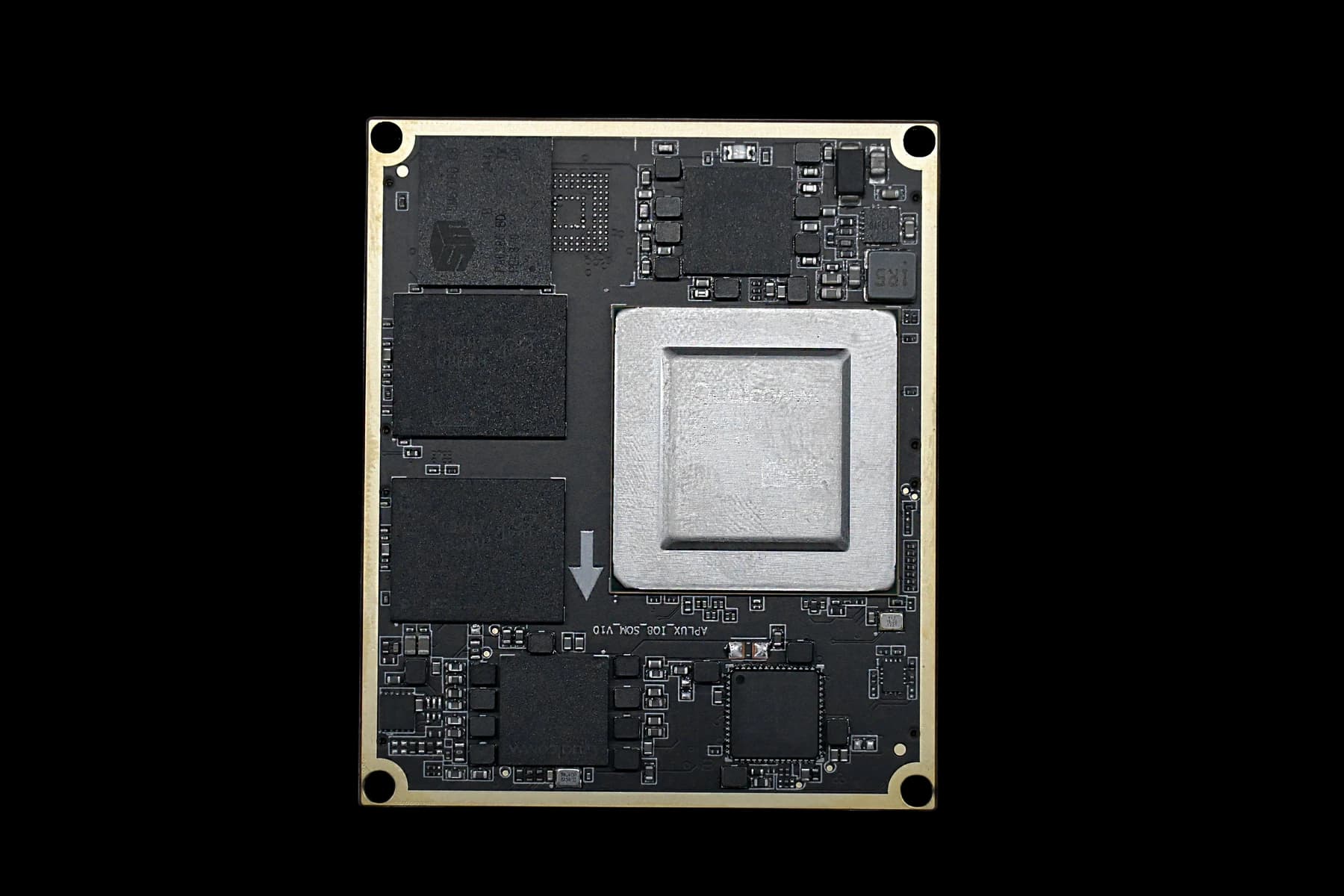
A QCS8275-based 50 × 60 mm BTB module with up to 20 / 40 TOPS (INT8, dense), an octa-core application processor and a quad-core real-time subsystem for industrial control, robotics and edge AI devices.
20 / 40 TOPS
Maximum AI performance (INT8, dense)
Quad-core R52
Real-time subsystem
50 × 60 mm
Module dimensions
BTB
3 mm mating height
Match the compute platform to your device tasks, models, peripherals and product form factor.
Octa-core Kryo handles applications while quad-core Cortex-R52 RTSS provides real-time subsystem resources for coordinated AI perception and control.
20T (AC): up to 20 TOPS (INT8, dense), CPU up to 2.05 GHz, 8 GB LPDDR5 + 64 GB eMMC. 40T (AA): up to 40 TOPS (INT8, dense), CPU up to 2.35 GHz, 16 GB LPDDR5 + 128 GB eMMC.
Three 4-lane CSI groups, dual PCIe Gen4, USB and SGMII connect vision, storage and networking on custom carriers.
50 × 60 mm, 10–24 V input and a wide-temperature design; match the dedicated carrier, cooling and drivers to the deployment environment.
Choose device workloads and integration paths based on platform capabilities and this model's interfaces.
Qualcomm Dragonwing IQ-8275
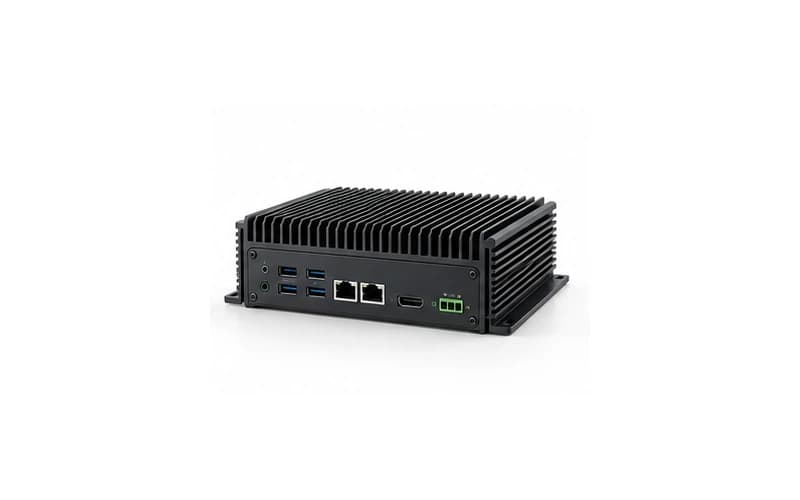
Combine real-time processing and external industrial interfaces to connect field equipment, status data and edge analytics.
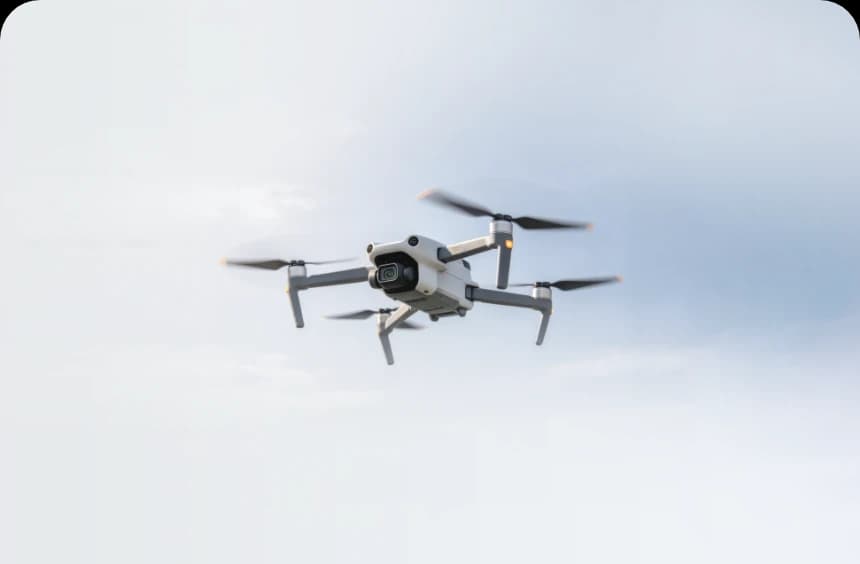
Focus on onboard vision, perception and task computing, exchanging status and task information with a companion flight controller as a collaborative compute node.
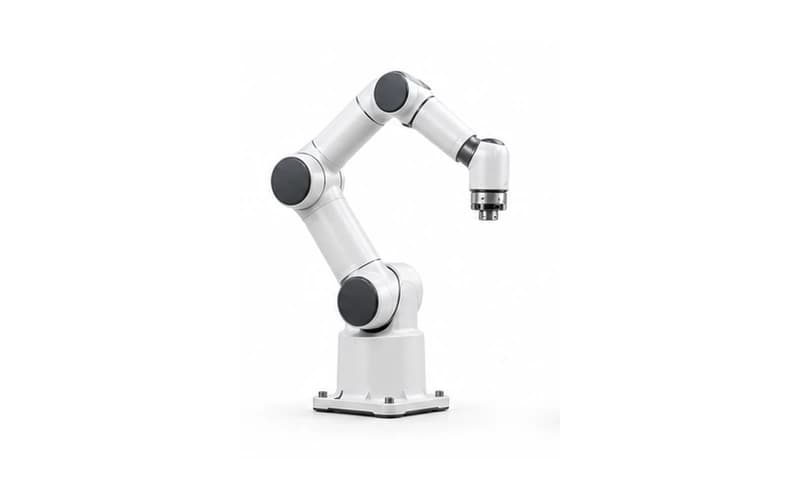
Connect perception computing, industrial buses and higher-level robot tasks to integrate control systems with intelligent applications.
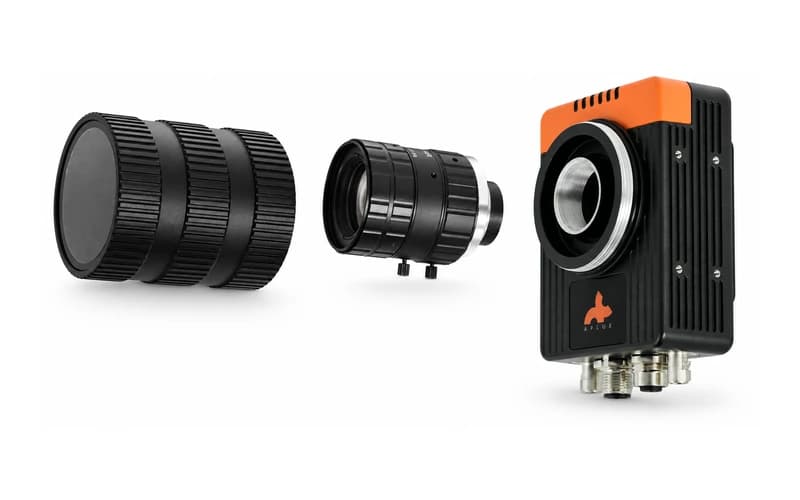
Develop industrial vision analytics and equipment perception nodes around camera capture, vision models and detection result output.
Device images illustrate application directions; peripherals, enclosure and software require project-specific integration. Modules require a carrier; platform resources are not equivalent to physically exposed device interfaces.
Configurations below follow the industrial and robotics intelligent module documentation. Module capabilities and physically exposed device interfaces are distinguished.
| Compute platform | Qualcomm Dragonwing IQ-8275 |
|---|---|
| Chip identifier | QCS8275 |
| Process | 4 nm |
| CPU | Octa-core Qualcomm Kryo Gen 6; 20T (AC) up to 2.05 GHz, 40T (AA) up to 2.35 GHz |
| NPU | Qualcomm Hexagon |
| AI performance (INT8, dense) | Up to 20 / 40 TOPS (INT8, dense), depending on the 20T / 40T variant |
| GPU | Qualcomm Adreno 623;20T(AC)599 MHz,40T(AA)877 MHz |
| ISP | Qualcomm Spectra 692 |
| Real-time subsystem | 4 × Cortex-R52 RTSS |
| 20T configuration | 8 GB LPDDR5 + 64 GB eMMC |
| 40T configuration | 16 GB LPDDR5 + 128 GB eMMC |
| Camera resources | 3 × 4-lane MIPI CSI; aggregate D-PHY bandwidth up to 30 Gbps, C-PHY up to 93 Gbps |
|---|---|
| Display resources | 1 × 4-lane MIPI DSI (up to 4K30) + 1 × eDP / DP 1.4 |
| Video decoding | Platform maximum 4K135; supports combinations including 2 × 4K60 / 4 × 4K30 |
| Video encoding | Platform maximum 4K85; supports combinations including 1 × 4K60 / 2 × 4K30 |
| PCIe | 2 × Gen4 supporting RC / EP; lane allocation depends on pin definitions and configuration |
|---|---|
| USB | 1 × USB 3.1 Gen2 + 1 × USB 2.0 |
| Network | SGMII, up to 2.5G with TSN; carrier implements the connector |
| CAN FD | 4 RTSS CAN resources; carrier implements physical layers and external ports |
| General interfaces | I²C / UART / SPI / QSPI / GPIO / RTSS UART / RTSS SPI |
| Audio | 3 × I²S |
| SDIO | Multiplexed with onboard eMMC; choose one |
| Operating System | Ubuntu 24.04 with companion BSP |
|---|---|
| Power | 10–24 V input, typically 12 V |
| Dimensions | 50 × 60 mm |
| Connector | Hirose DF12NA(3.0)-80DS-0.5 V(51), BTB mating height 3 mm |
| Operating temperature | Module: -40 °C to +85 °C; validate against system cooling |
| Storage temperature | -45 °C~+90 °C |
AI figures are platform-rated peaks. Dense, sparse and FP16 figures are listed separately; actual performance depends on the model, precision, software and cooling. Input power ratings do not represent total board consumption. Accessories and system images depend on the delivered configuration.
Module CAN FD resources and the development board's exposed channels are distinguished; they do not imply four CAN connectors are fitted to the board.
SDIO / TF cannot be used simultaneously with the current eMMC configuration.
Download Chinese and English product briefs and specifications for product configuration, interface definitions and device integration requirements.
Product overview, key capabilities and application directions.
PDF · ChineseDownload Chinese briefProduct overview, key capabilities and application directions.
PDF · EnglishDownload English briefInterface definitions, power requirements and mechanical dimensions.
PDF · ChineseDownload specificationShare your model, peripheral, mechanical and system requirements to define the product and delivery configuration together.