Compute foundations for robotics models
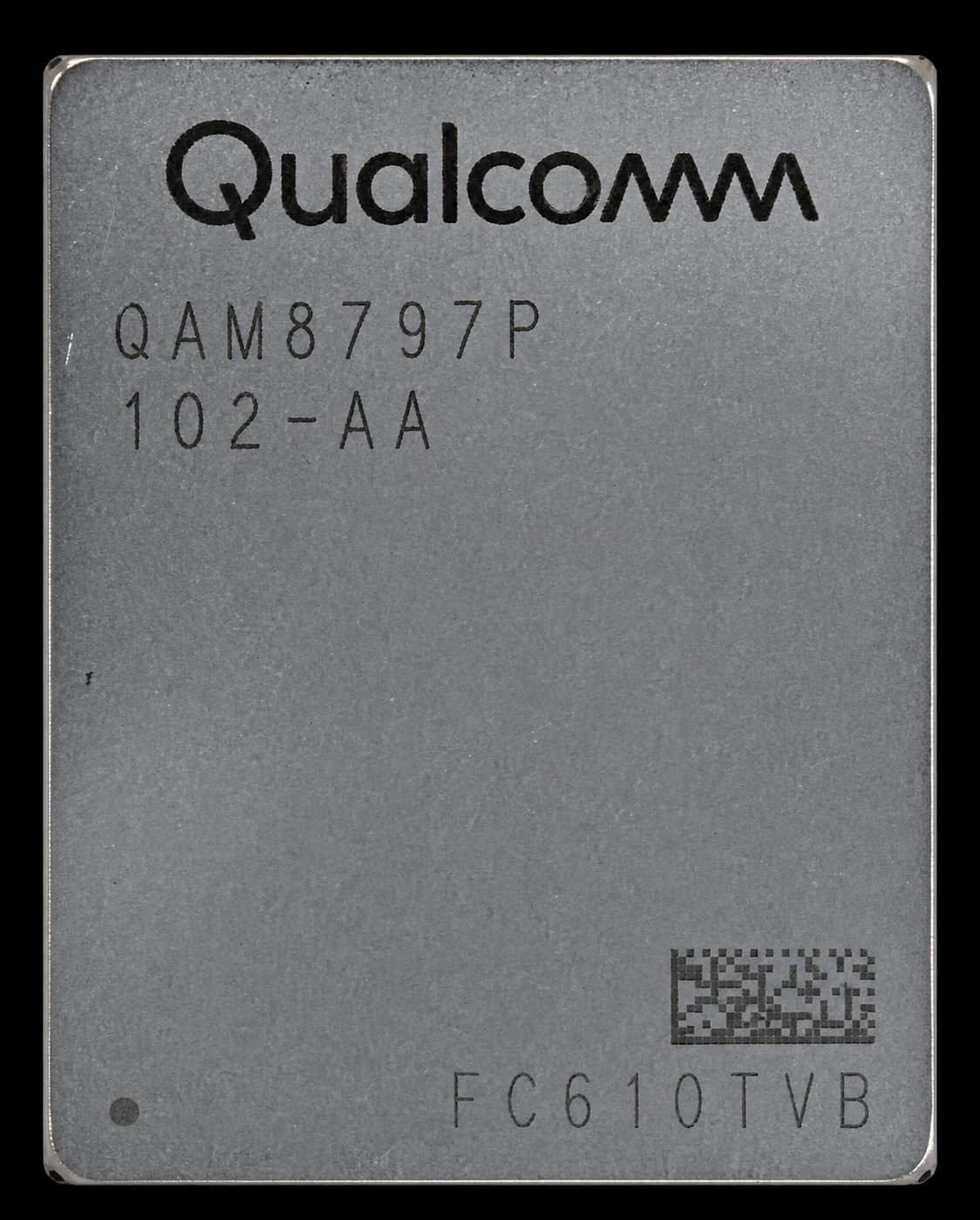
Oryon CPU, Adreno GPU and a dedicated NPU provide platform compute for adapted language, vision and robotics models.

Robotics compute platform selection
A core compute platform for Physical AI
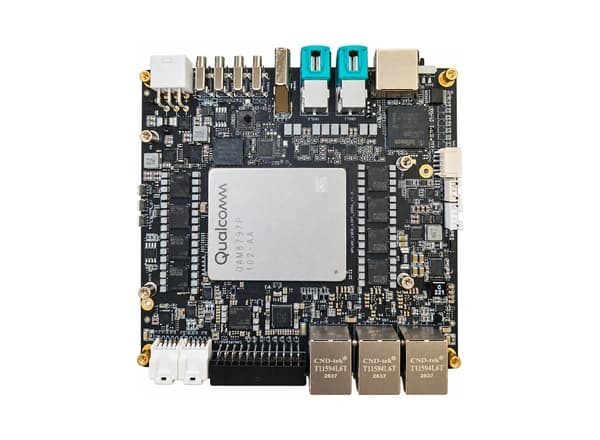
Use Qualcomm Dragonwing IQ10 for multimodal perception and robotics models. APLUX provides companion robotics development boards, tools and project support to evaluate compute configurations, sensor connectivity and deployment paths.
350 TOPS
Maximum AI performance (INT8, dense)
18 cores
Qualcomm Oryon CPU
LLM / VLM / VLA
Model deployment focus
Robotics
Perception, inference and device integration
Match the compute platform to your device tasks, models, peripherals and product form factor.
Oryon CPU, Adreno GPU and a dedicated NPU provide platform compute for adapted language, vision and robotics models.
Define companion hardware around cameras, network sensors, storage and control requirements, then validate the complete application with the delivered BSP.
Use AIMO, AidGen SDK, AidLite and robotics reference software for model adaptation, deployment and field testing.
The complete Rhino Pi IQ10 board currently supports evaluating 64 GB+256 GB, 8 GMSL2 channels and multigigabit networking. Confirm standalone module configurations separately.
Plan sensor and system integration for robot perception, higher-level planning and industrial model services.
Qualcomm Dragonwing IQ10 Series
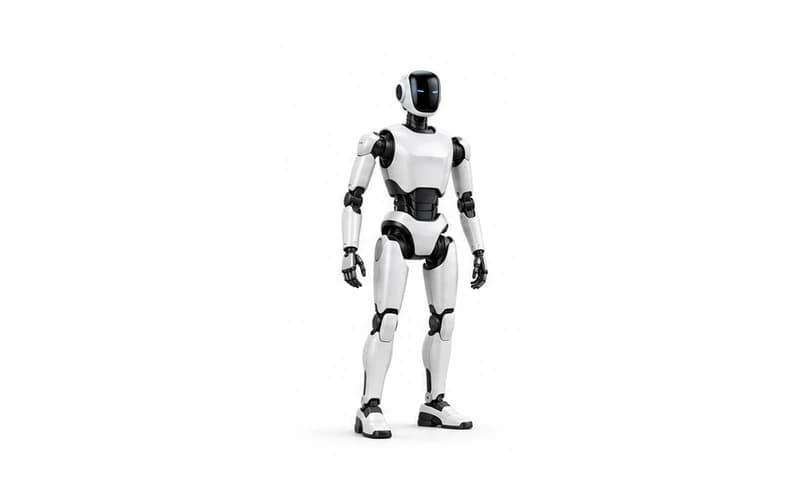
Combine multiview perception, multimodal understanding and task planning with cameras, sensors and robot control systems.
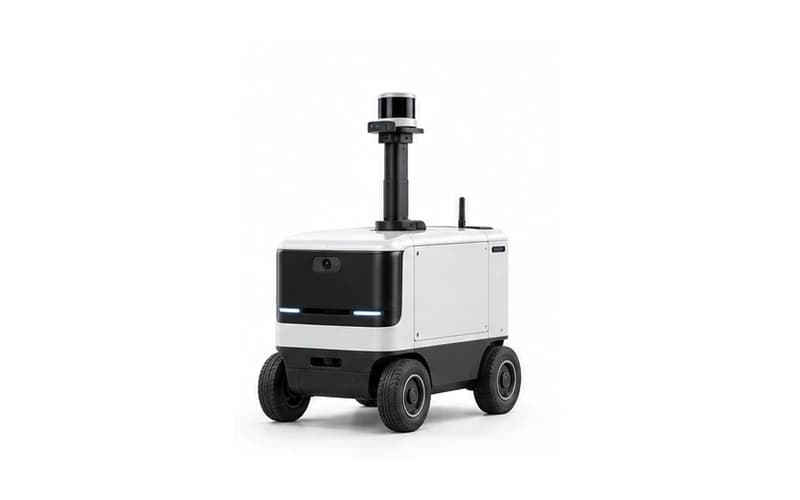
Develop environmental perception, localization and higher-level planning for low-speed delivery and mobile operations, integrating with chassis control systems.
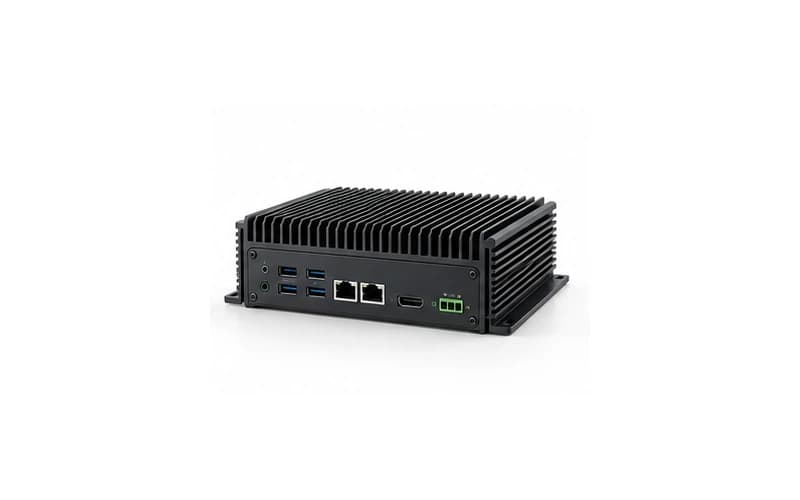
Connect industrial data, multimodal models and business tools to local compute for analytics, knowledge Q&A and task orchestration.
Device images illustrate application directions; peripherals, enclosure and software require project-specific integration. Modules require a carrier; platform resources are not equivalent to exposed device interfaces. Sensor and communication links can first be validated with the companion Pi IQ10 board.
Configurations below follow the robotics compute platform selection documentation. Module capabilities and physically exposed device interfaces are distinguished.
| Compute platform | Qualcomm Dragonwing IQ10 Series |
|---|---|
| CPU | 18-core Qualcomm Oryon, up to 3.014 GHz |
| NPU | Qualcomm Hexagon |
| AI performance (INT8, dense) | Up to 350 TOPS(INT8, dense) |
| AI performance (INT8, sparse) | Up to 700 TOPS(INT8, sparse) |
| GPU | Dual Qualcomm Adreno GPUs; main GPU up to 1.0 GHz, auxiliary GPU up to 1.1 GHz |
| Model focus | LLM / VLM / VLA; validate specific models and performance with adapted software |
| Multiple sensors | Qualcomm platforms and reference designs cover multicamera, LiDAR, Radar, IMU and ToF applications |
|---|---|
| Camera routing | Confirm standalone module channel exposure against production hardware documentation |
| Display and expansion | Implement high-speed display, PCIe and USB resources according to the specific design |
| Companion development board | Rhino Pi IQ10,A8797EZ1-152 |
|---|---|
| Development board memory / storage | 64 GB LPDDR5X + 256 GB UFS (not the module's default production specification) |
| Development board cameras | 8 GMSL2 channels; an expansion board adds 4 channels |
| Development board networking | 2 × 10GbE + 1 × 2.5GbE |
| Developer Tools | Ubuntu 24.04; ROS 2 / robotics references depend on the delivered package |
| Production configuration | Memory, storage and full SKU defined for the project |
|---|---|
| Mechanical design and pins | Obtain standalone module documentation for dimensions, connection method and pin assignments |
| Power and environment | Confirm against the production module's electrical / thermal design specifications |
| Documentation status | Many parameters in the current module brief describe an official reference design and are not a standalone-module delivery commitment |
AI figures are platform-rated peaks. Dense, sparse and FP16 figures are listed separately; actual performance depends on the model, precision, software and cooling. Input power ratings do not represent total board consumption. Accessories and system images depend on the delivered configuration.
This page describes IQ10 platform compute capabilities. Confirm standalone module production configurations, pin assignments, electrical requirements and dimensions separately.
The companion Rhino Pi IQ10 board follows its own complete-board specification. Chip-package images do not represent a complete physical module.
Download Chinese and English product briefs for configurations and application directions. Obtain detailed specifications for carrier board and device integration.
Product overview, key capabilities and application directions.
PDF · ChineseDownload Chinese briefProduct overview, key capabilities and application directions.
PDF · EnglishDownload English briefShare your model, peripheral, mechanical and system requirements to define the product and delivery configuration together.